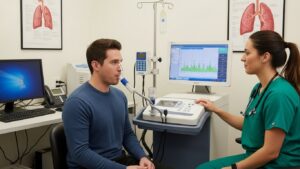
Interstitial lung disease and pulmonary fibrosis are chronic conditions that affect the lung tissue, limit oxygen flow, and slowly reduce breathing capacity over time. For many patients, early diagnosis and expert care can slow progression, improve quality of life, and help manage symptoms. In Glendale, patients rely on skilled pulmonologists like Dr. Ramya Mahdavi for accurate evaluations, personalized treatment plans, and ongoing support.
This guide explains what ILD and pulmonary fibrosis are, how they are diagnosed, and the treatment options available for patients in Glendale.
What ILD and Pulmonary Fibrosis Are
Interstitial lung disease is a group of disorders that damage the lung tissue and lead to inflammation or scarring. Pulmonary fibrosis refers to the long term scarring that develops in the lungs. As the tissue becomes thicker and less flexible, the lungs struggle to expand fully, which makes breathing harder and reduces oxygen levels in the body.
Understanding these conditions is important because early intervention can help maintain lung function and reduce complications.
Causes of Lung Scarring
Lung scarring can develop from many different causes. Some patients have a known trigger, while others are diagnosed with idiopathic pulmonary fibrosis, which means the cause is unknown. Common causes include:
- Autoimmune diseases such as rheumatoid arthritis or lupus
- Long term exposure to environmental irritants
- Smoking
- Occupational exposures such as dust, chemicals, or fumes
- Chronic infections
- Certain medications
- Genetic factors
Regardless of the cause, scarring makes the lungs stiff and limits their ability to move oxygen into the bloodstream. Pulmonologists work to identify possible triggers so they can tailor treatment and slow future damage.
Common Symptoms and Progression
ILD and pulmonary fibrosis develop gradually. Many patients notice symptoms only after significant lung changes have occurred. Common signs include:
- Shortness of breath during activity
- Dry cough that does not improve
- Fatigue or reduced exercise ability
- Chest discomfort
- Unintentional weight loss
- Clubbing of the fingers in advanced cases
Symptoms may progress slowly or rapidly depending on the type of ILD and the patient’s overall health. Regular follow up with a pulmonologist is important so changes can be monitored and treated early.
How Pulmonologists Diagnose ILD
Accurate diagnosis is essential for effective treatment. Pulmonologists in Glendale use advanced testing tools and specialized exams to identify the type of ILD and evaluate the severity of lung scarring.
CT Imaging, Pulmonary Function Testing, Bronchoscopy
Diagnosis typically involves several steps.
CT Imaging
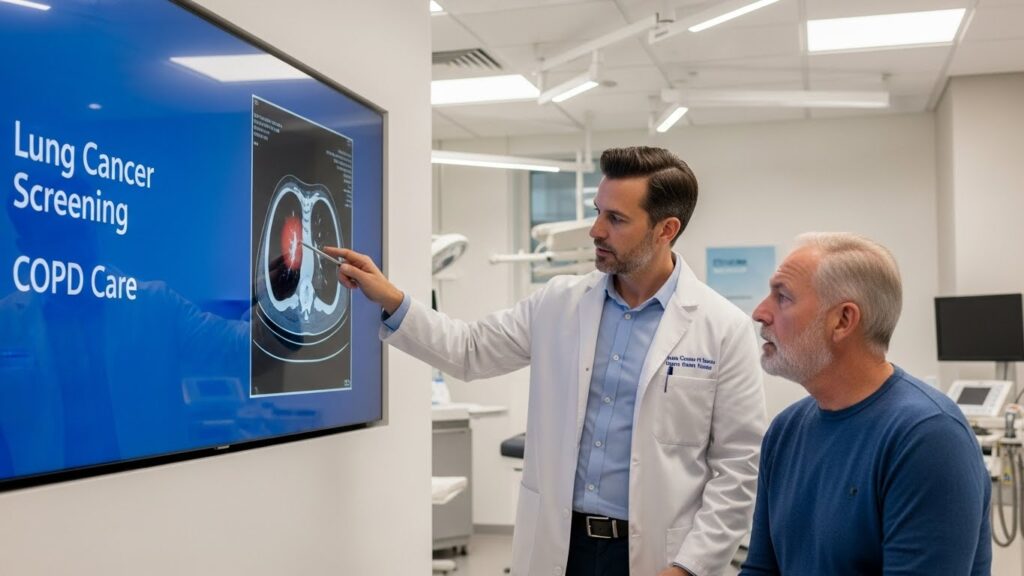
A high resolution CT scan is one of the most important tools for diagnosing ILD. It provides detailed images of the lung tissue and helps detect scarring, inflammation, or other abnormalities.
Pulmonary Function Testing
These breathing tests measure how well the lungs move air in and out. They help assess lung volume, airflow, and gas exchange efficiency. The results show how much the disease is affecting lung function.
Bronchoscopy
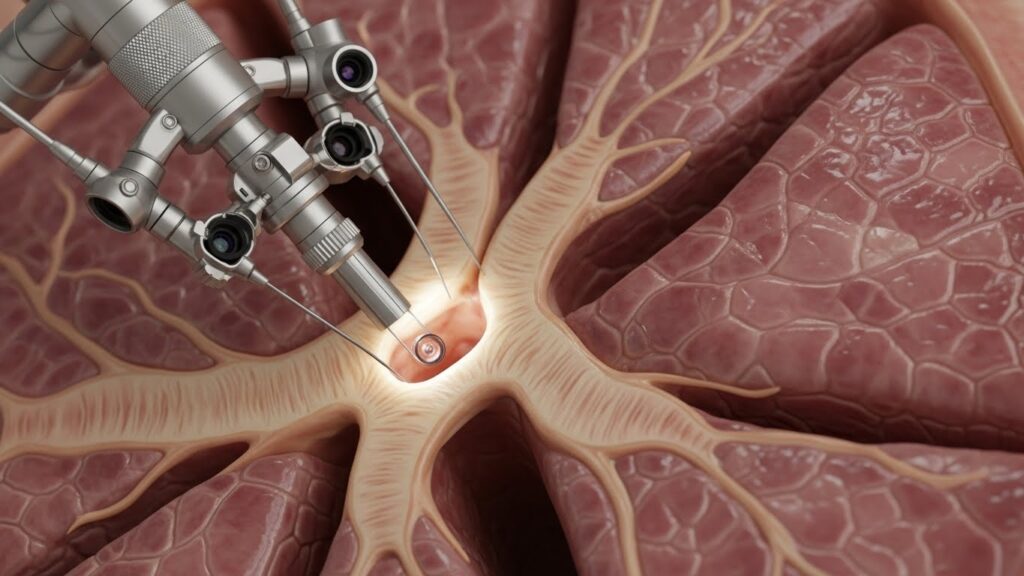
In some cases, a bronchoscopy is performed to gather tissue samples or examine the lungs more closely. This procedure uses a thin flexible tube with a camera that allows the pulmonologist to evaluate airways and collect samples for laboratory testing.
When combined, these diagnostic tools help determine the specific ILD type and guide treatment.
Treatment Options Available in Glendale
Although there is no cure for many forms of ILD, pulmonologists focus on slowing progression, managing symptoms, and improving day to day breathing. Dr. Mahdavi offers a full range of treatment options tailored to each patient’s condition and lifestyle.
Medications and Oxygen Therapy
Medications
Anti inflammatory drugs, antifibrotic medications, and immune modifying therapies may help reduce further scarring and slow disease progression. The specific medication depends on the type of ILD and the patient’s medical history.
Oxygen Therapy
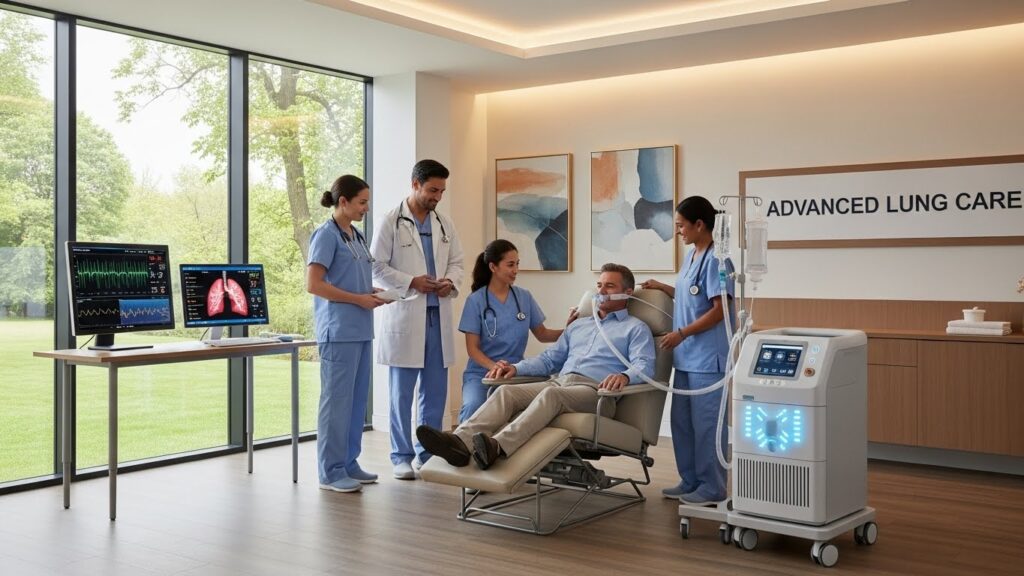
Supplemental oxygen supports the body when the lungs cannot provide enough oxygen on their own. Oxygen can be used during physical activity, at rest, or while sleeping. It helps reduce strain on the heart and improves energy levels.
Pulmonary Rehabilitation
Pulmonary rehabilitation is a key part of ILD treatment. These supervised programs include breathing exercises, endurance training, and education on how to manage symptoms. Benefits of pulmonary rehabilitation include:
- Better breathing control
- Increased strength and stamina
- Reduced shortness of breath
- Improved confidence during daily activities
Pulmonary rehabilitation also helps patients learn how to conserve energy, improve posture for easier breathing, and adapt to physical limitations in a safe and supportive environment.
Managing Daily Life with ILD
Living with ILD or pulmonary fibrosis requires lifestyle changes and consistent medical follow up. Pulmonologists guide patients through strategies that help maintain comfort and preserve lung function.
Helpful approaches include:
- Eating a balanced diet to support energy levels
- Staying active with gentle exercise programs approved by the pulmonologist
- Avoiding exposure to smoke, pollutants, and chemical fumes
- Staying up to date with vaccinations
- Using breathing techniques to reduce discomfort
- Reporting any sudden changes in symptoms
Emotional wellness is also important. Many patients benefit from support groups, counseling, or chronic disease management programs that help them feel supported and informed.
Get In-touch
Expert care makes a significant difference for patients living with interstitial lung disease or pulmonary fibrosis. A thorough evaluation and personalized treatment plan provide clarity, confidence, and long term support.
Request an ILD Consultation with Dr. Mahdavi
If you are experiencing persistent shortness of breath, chronic cough, or have been diagnosed with ILD or pulmonary fibrosis, schedule an appointment with Dr. Ramya Mahdavi in Glendale. Her commitment to diagnostic accuracy and patient centered care ensures you receive the attention and treatment you need.
Visit the contact page or call the office to request your ILD consultation today.