Asthma vs COPD
What Is Asthma?
Asthma is a chronic lung condition characterized by inflammation and narrowing of the airways, leading to shortness of breath, wheezing, chest tightness, and coughing. Asthma often begins in childhood or young adulthood but can develop at any age.
Causes, Triggers, and Typical Age of Onset
Asthma can be triggered by allergens, respiratory infections, air pollution, exercise, or stress. Genetic factors may also play a role. Symptoms often come and go, with periods of flare-ups interspersed with symptom-free periods. Early recognition and asthma care in Glendale can improve quality of life and prevent severe exacerbations.
What Is Chronic Obstructive Pulmonary Disease (COPD)?
COPD is a group of progressive lung diseases, including emphysema and chronic bronchitis, that cause long-term airflow obstruction. Unlike asthma, COPD typically develops later in life and is strongly linked to smoking or prolonged exposure to air pollution and environmental irritants.
Smoking-Linked Damage and Progression
In COPD, the lungs and airways sustain permanent damage. The condition worsens over time, leading to persistent shortness of breath, chronic cough, sputum production, and reduced exercise tolerance. While medications can manage symptoms, COPD is not fully reversible.
Key Clinical Differences
Reversible vs Permanent Airflow Obstruction
One of the most significant differences between asthma vs COPD is reversibility:
- Asthma: Airway obstruction is often reversible with inhalers or medications.
- COPD: Airway and lung damage is permanent, though symptoms can be managed with treatment.
Symptom Patterns and Flare Triggers
Asthma symptoms can fluctuate daily or seasonally, often triggered by allergens or exercise. COPD symptoms are more constant, with flare-ups commonly caused by respiratory infections or environmental irritants. Understanding these patterns helps your COPD Glendale or asthma care provider create an effective management plan.
How Pulmonologists Diagnose Each
Pulmonary Function Testing and Imaging
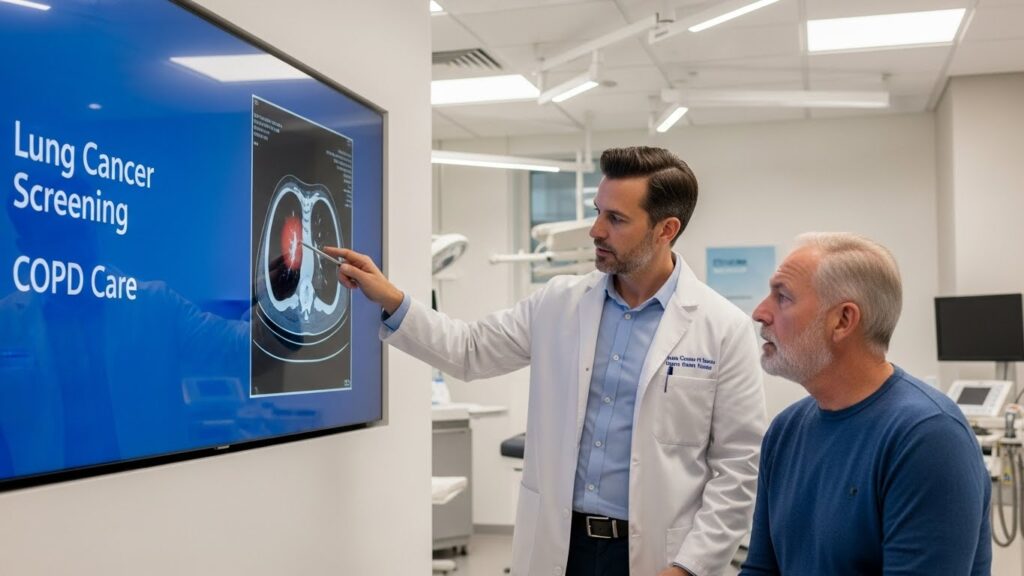
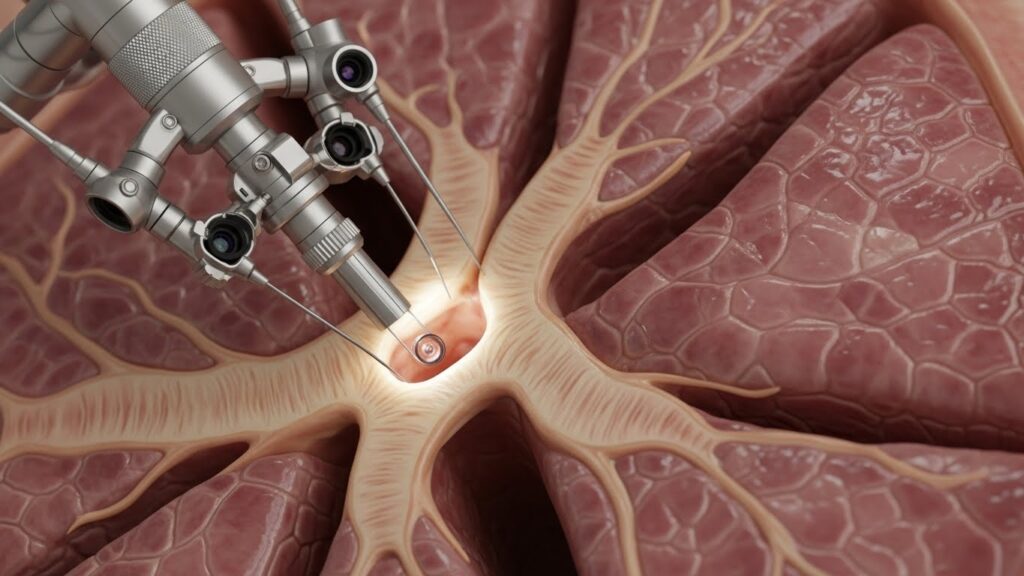
Pulmonary function testing in Glendale is essential for distinguishing between asthma and COPD. Spirometry measures airflow obstruction and reversibility, helping your pulmonologist determine the underlying condition. Imaging, such as chest X-rays or CT scans, can detect structural changes in the lungs typical of COPD or rule out other lung diseases.
Treatment Approaches in Glendale
Inhalers, Oxygen Therapy, Pulmonary Rehab
Treatment strategies differ depending on whether a patient has asthma or COPD:
- Asthma care Glendale: Inhaled corticosteroids, bronchodilators, and allergy management are the mainstays. Flare triggers are identified and avoided whenever possible.
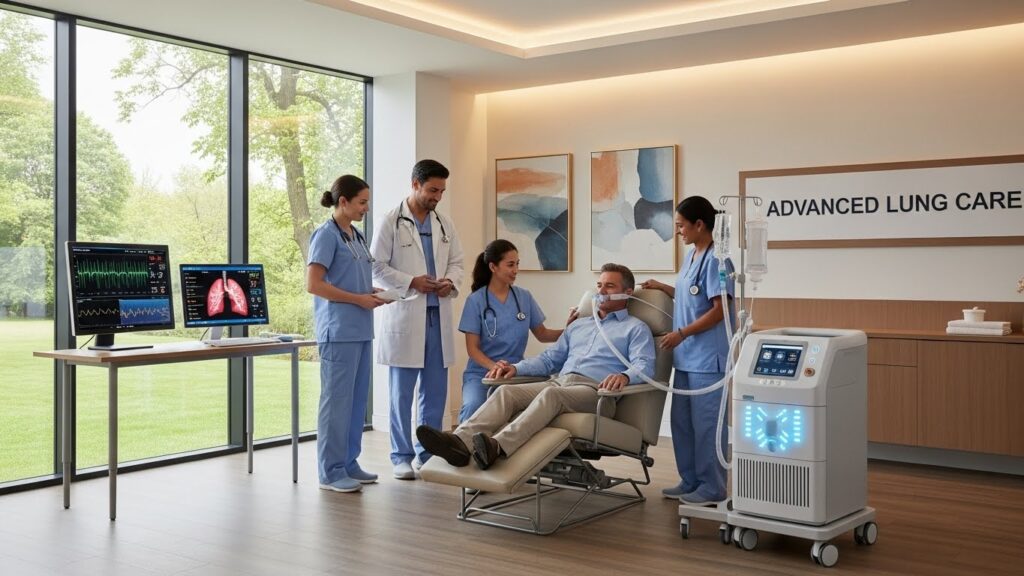
- COPD Glendale: Long-acting bronchodilators, oxygen therapy, pulmonary rehabilitation, and lifestyle modifications are recommended to improve lung function and quality of life. Pulmonary rehab can increase exercise tolerance and teach proper breathing techniques.
Both conditions benefit from ongoing monitoring and follow-up to ensure optimal control.
Book a Lung Evaluation in Glendale
If you are experiencing shortness of breath, chronic cough, or other respiratory symptoms, it’s important to seek evaluation from a Glendale pulmonary specialist. Dr. Ramyar Mahdavi offers comprehensive diagnostic testing, including pulmonary function testing and imaging, to determine whether you have asthma, COPD, or another chronic lung condition. Schedule an appointment today to receive personalized care and treatment tailored to your needs.
FAQ Section
Q1: What is the main difference between asthma and COPD?
Asthma typically causes reversible airway obstruction triggered by allergens or exercise, while COPD causes permanent lung damage and progressive airflow limitation, often due to smoking.
Q2: Can someone have both asthma and COPD?
Yes, some patients may have features of both conditions, a scenario known as asthma-COPD overlap, which requires specialized management.
Q3: How are asthma and COPD diagnosed?
Diagnosis involves pulmonary function testing, imaging, and a detailed medical history. Spirometry helps assess airflow obstruction and reversibility.
Q4: What treatments are available for asthma and COPD?
Asthma is managed with inhalers, allergy control, and avoiding triggers. COPD treatment includes bronchodilators, oxygen therapy, and pulmonary rehabilitation.
Q5: When should I see a Glendale pulmonologist?
Seek evaluation if you have persistent shortness of breath, chronic cough, wheezing, or other breathing difficulties to ensure proper diagnosis and treatment.