What Shortness of Breath (Dyspnea) Means
Shortness of breath, also known as dyspnea, is a sensation of not being able to take in enough air. For some, it feels like chest tightness; for others, it’s the inability to catch a full breath. While occasional breathlessness after intense exercise is normal, persistent or worsening shortness of breath can signal an underlying health issue that requires medical attention.
Occasional vs Chronic Breathlessness
- Occasional shortness of breath may occur after climbing stairs, running, or working out—often improving with rest.
- Chronic or progressive breathlessness can point to a pulmonary or cardiac condition, especially when it interferes with daily activities like walking or speaking.
Recognizing when shortness of breath is more than just exertion is critical, particularly for patients in Glendale seeking care from a pulmonary doctor.
Common Pulmonary Causes
Chronic Obstructive Pulmonary Disease (COPD)
One of the leading causes of shortness of breath in Glendale patients is chronic obstructive pulmonary disease (COPD). This chronic lung disease, often linked to smoking or long-term exposure to pollutants, causes airflow obstruction and makes exhaling difficult. Over time, patients develop reduced exercise tolerance, wheezing, and frequent respiratory infections.
Asthma and Pneumonia
Asthma triggers airway inflammation and narrowing, leading to wheezing, chest tightness, and sudden difficulty breathing. Pneumonia, on the other hand, is a lung infection that fills air sacs with fluid, resulting in cough, fever, and breathlessness. Both conditions require evaluation, as untreated cases can escalate quickly.
Pulmonary Fibrosis
Pulmonary fibrosis causes lung tissue scarring, reducing lung elasticity and oxygen exchange. Patients often report gradual shortness of breath that worsens with physical activity. A pulmonary doctor in Glendale can identify this condition through imaging and specialized testing.
Non-Pulmonary Causes That Require Evaluation
Heart Failure and Anemia
Not all cases of breathlessness are caused by lung disease. Heart failure reduces the heart’s ability to pump blood efficiently, leading to fluid buildup in the lungs and difficulty breathing, especially when lying down. Similarly, anemia lowers oxygen-carrying capacity in the blood, leaving patients fatigued and short of breath.
Because multiple systems may be involved, only a comprehensive evaluation can determine whether shortness of breath stems from the lungs, heart, or blood.
How Pulmonologists Diagnose the Cause
Pulmonary Function Testing
A key step in diagnosing difficulty breathing causes is pulmonary function testing. Spirometry, lung volume measurement, and diffusion capacity tests allow specialists to assess airflow, lung capacity, and oxygen transfer. These tests provide vital data for conditions like asthma, COPD, and pulmonary fibrosis.
Imaging and Oxygen Testing
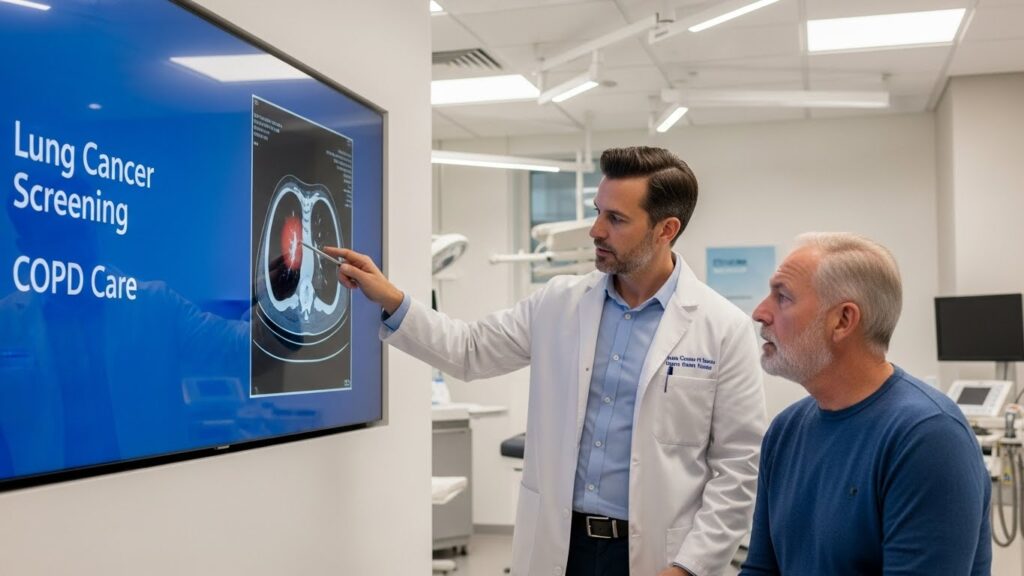
Chest X-rays, CT scans, and oxygen testing with pulse oximetry or arterial blood gas analysis help identify structural or functional lung problems. These tools allow a Glendale pulmonary doctor to distinguish between pulmonary and non-pulmonary causes of dyspnea.
When to Seek Immediate Medical Care
If shortness of breath comes on suddenly, worsens rapidly, or is accompanied by chest pain, fainting, or blue lips/fingertips, seek emergency medical care immediately. These signs may point to a severe asthma attack, blood clot in the lungs, or heart-related emergency.
Schedule a Breathlessness Evaluation in Glendale
Don’t ignore persistent shortness of breath in Glendale. Whether your symptoms are mild or severe, a thorough evaluation can identify the cause and provide effective treatment. Schedule an appointment with Dr. Ramyar Mahdavi, Glendale pulmonologist, to receive advanced diagnostic testing and a personalized care plan.
FAQ Section
Q1: What are the most common causes of shortness of breath?
Shortness of breath may be caused by lung conditions such as COPD, asthma, or pneumonia, as well as non-pulmonary issues like heart failure and anemia.
Q2: When should I see a pulmonary doctor in Glendale for breathlessness?
If your symptoms are persistent, worsening, or interfering with daily activities, schedule a consultation with a pulmonologist for evaluation.
Q3: Can stress or anxiety cause difficulty breathing?
Yes, anxiety and panic disorders can trigger shortness of breath, but it’s important to rule out underlying medical conditions first.
Q4: What tests are used to evaluate shortness of breath?
Pulmonologists use pulmonary function tests, imaging (X-ray/CT), and oxygen testing to identify the cause of dyspnea.
Q5: Is shortness of breath always related to lung disease?
No. Cardiac conditions like heart failure and blood disorders like anemia can also cause breathlessness. That’s why a comprehensive evaluation is essential.